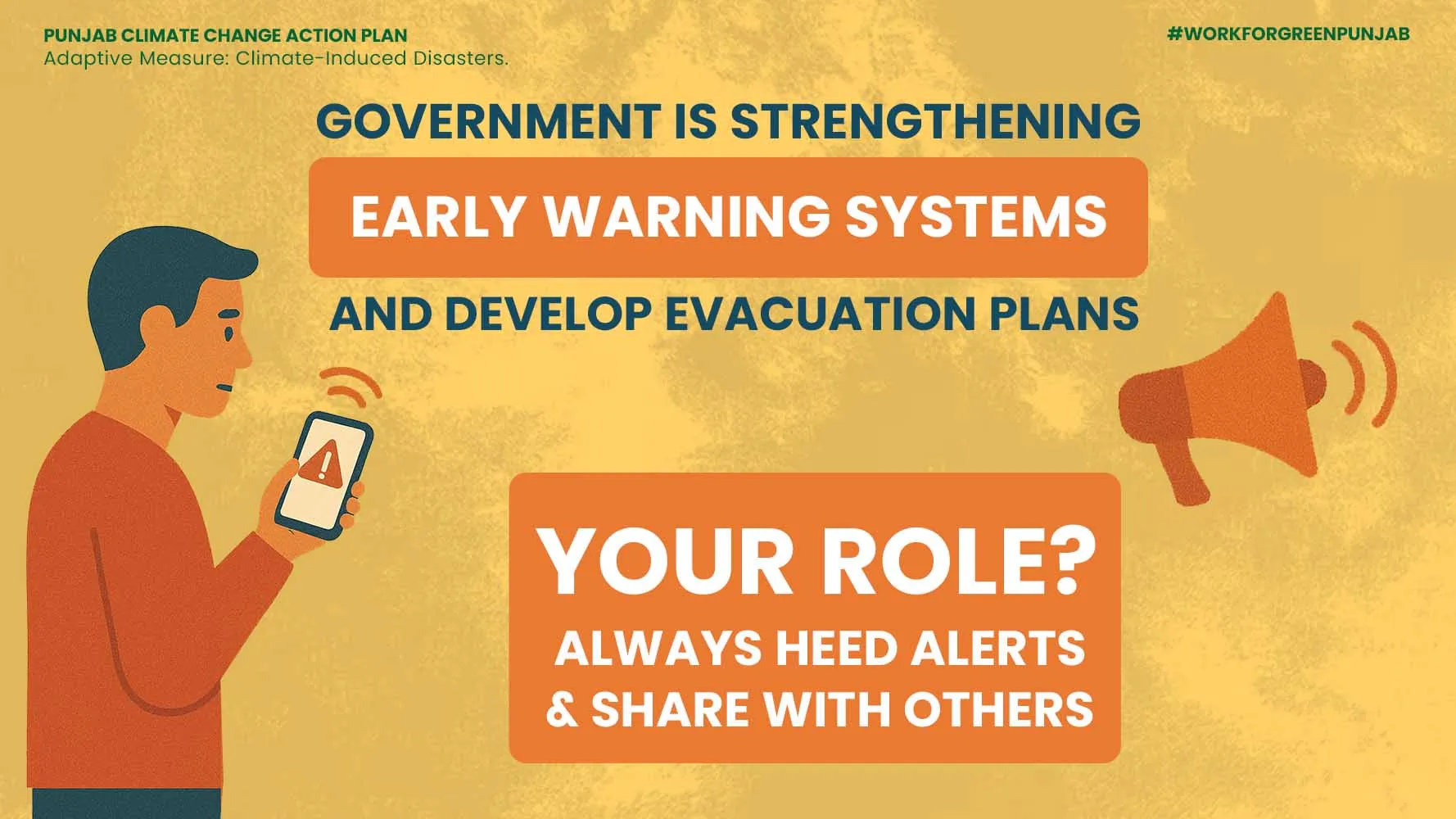
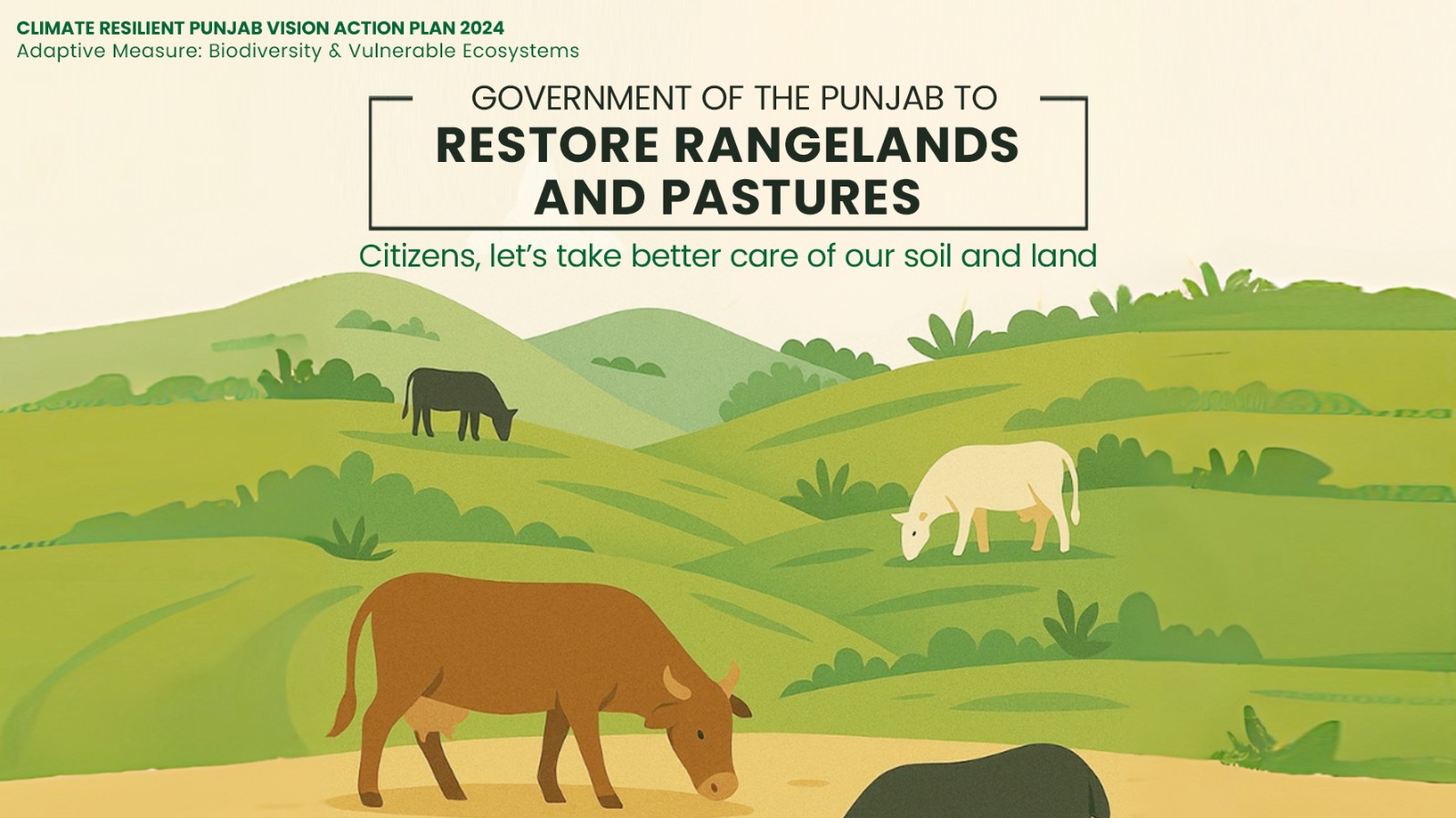
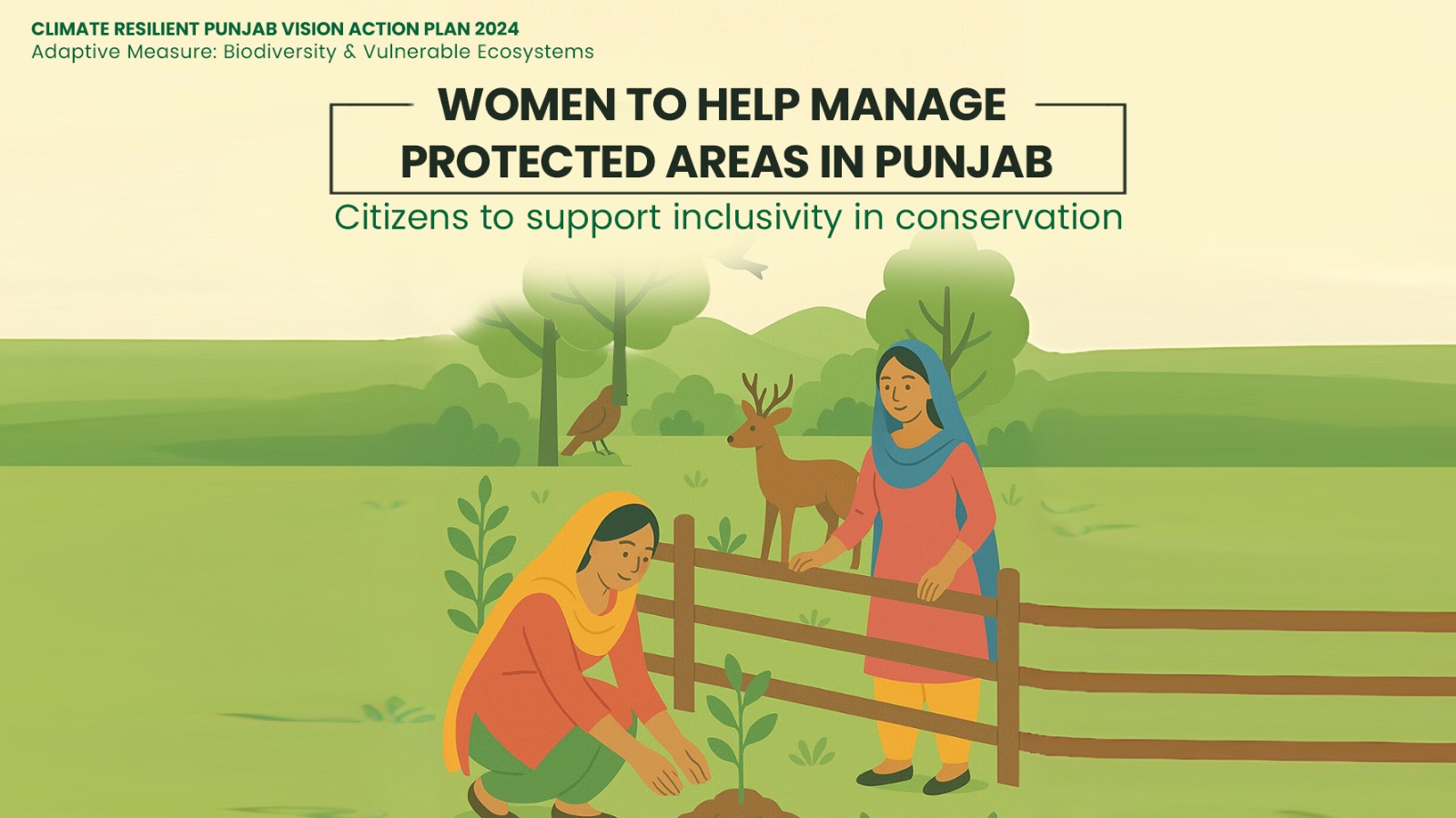

Resilient Punjab Dashboard: Real time action tracking, progress reporting, and informed decision making

Hero Slide 1
Hero Slide 2
Hero Slide 3
Hero Slide 4
Hero Slide 5
Hero Slide 6

Messages

Maryam Nawaz

Chief Minister Punjab

Marriyum Aurangzeb

Senior Minister P&D, EP&CCD, FW&F, CM's Special Initiative
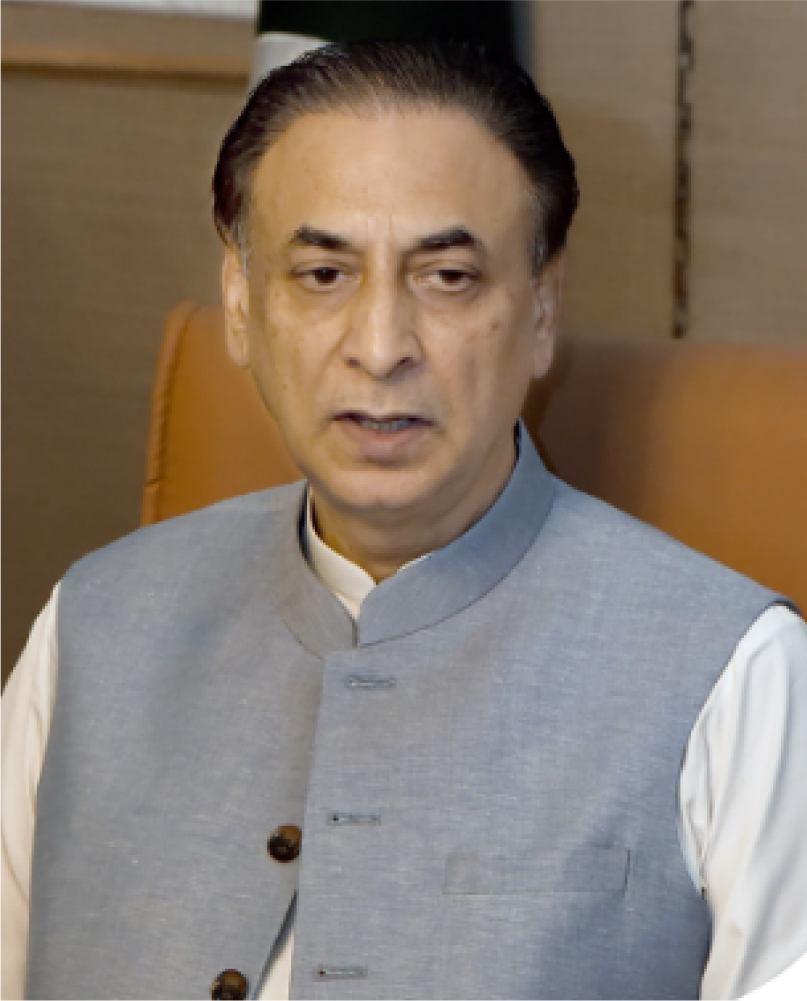
Zahid Akhtar Zaman

Chief Secretary Government of the Punjab

Silwat Saeed

Secretary Environment Protection & Climate Change Department

how it work

Key Climatic Impacts in Punjab

01

Temperature Change and Heat Stress

0.18°C above normal mean change1 0.97 °C average rise in 57% of the...
02

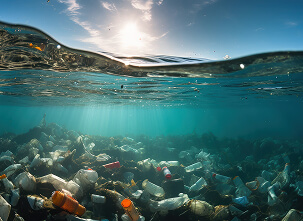
Frequent and Intense Precipitation & Floods

+45% Annual Rain Variation (2022)5 0.7 million acres of cropland & ..

03

More Drought Years

Metrological Droughts linked with 27% yield variation in province9 Largest...
04

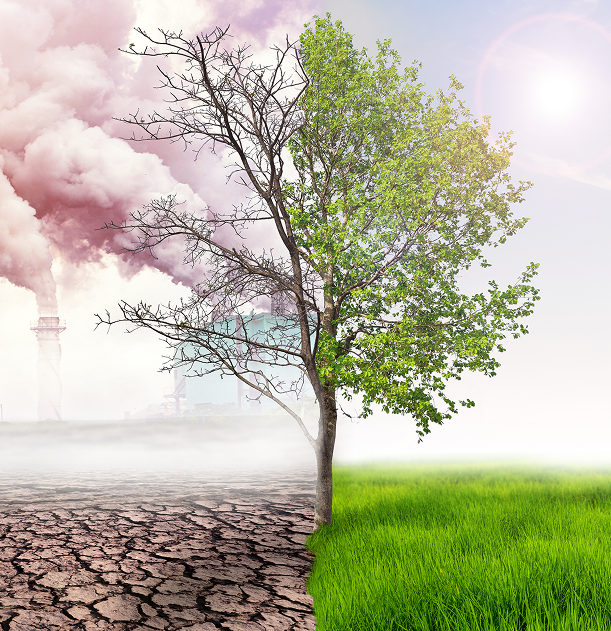
Destructive Wildfires

89% increase in forest fire events compared to last year12 377 events...
Punjab’s vision

A Climate Resilient Punjab

Punjab, the most populous province of Pakistan, has a strong economic record and contributes about 54.2 % to the national GDP, facing a unique set of challenges and opportunities in the context of climate change (PGS, 2023). Understanding the province's demographic trends, land profile, and key climate parameters is essential for developing effective strategies to mitigate and adapt to the impacts of climate change, such as floods, droughts, and heat waves.

Partnerships for planetary progress

Leading the way in conservation

vision/Goal/objectives

Our Objectives

  • Establish evidence and research-based cross-sectoral baseline for climate-resilient developments.
  • Embed climate adaptation and mitigation in the planning and development framework.
  • Prioritize green investments and promote a green economy with a special focus on vulnerable and affected sectors and communities.
  • Promote low-emission green development that yields social, environmental, and economic benefits and improves the air quality index.
  • Enhance the resilience of vulnerable and marginalized populations through climate justice and responsive approaches for equitable benefits.
  • Encourage and include youth, media, civil society, women, persons with disabilities, and other vulnerable and marginalized groups.

Vision

"A Climate Resilient Punjab"

Goal

Promoting sustainable growth in Punjab based on low-emissions development and enhancing capacity to manage, adapt and recover from climate events.

Sectors

Sectoral Overview

Water Resource

24 main canal system with several distributaries

Eco-Friendly Consulting

Our renewable energy solution harness the power of natural.

Agriculture

Largest share of crop production in paksitan

Industry

68% polluting industries lie within city boundaeis

Transport

21.1 Million Vehicles Registered up till 30 Jun 2022

Real-Time Progress

Top Performing Actions

100% Completed
Identify and notify new protected areas across the province and prepare their ecosystem management plans. Ensure women's participation in the management of protected areas.
Responsible Departments
EPCCD FWD EPA
100% Completed
Map out open areas of designated forest lands and completely restore the affected forests through afforestation and reforestation programs and promoting ecosystem-based adaption
Responsible Departments
FWD
100% Completed
Launch a nature conservation vocational course and engage them in biodiversity conservation
Responsible Departments
FWD MPDEP Aquaculture
100% Completed
Develop urban forests in all cities of Pakistan starting from Large Cities and the Indus Basin.
Responsible Departments
FWD LGCDD MC
100% Completed
Install water quality monitoring stations at major surface water bodies
Responsible Departments
EPCCD IRR

Geographic Impact

Project Locations in Punjab

Frequently Asked Questions

Find answers to common questions about Resilient Punjab Dashboard

The vision of this action plan is A CLIMATE-RESILIENT PUNJAB.

Promoting sustainable growth in Punjab based on low-emissions development and enhancing capacity to manage, adapt and recover from climate events.

The three major Policy pillars are Adaptation, Mitigation, and Cross-Cutting areas. • Adaptation focuses on helping the province withstand climate shocks by securing water resources, protecting biodiversity, managing climate-induced disasters, and ensuring health and climate justice. • Mitigation aims to lower greenhouse gas emissions by transforming the energy, industry, and transport sectors and improving waste and wastewater management. • Finally, the cross-cutting approach brings everything together by creating synergies between adaptation and mitigation through forestry, climate-integrated planning, sustainable agriculture and livestock, and innovative climate financing.

The Policy is guided by seven integral principles: 1. Leadership 2. Integration & Inclusivity 3. Evidence-based 4. Climate Justice 5. Reliance on Nature-based solutions 6. Abiding by International Commitments 7. Transparency and Accountability

A "Responsible Entity" is the government department, attached department, agency, authority or waste management company designated for a specific task under the Climate Resilient Punjab Vision Action Plan, 2024. There are one or more Responsible Entity for each action. Every Responsible Entity has to perform the assigned action.

Key Punching Officer (KPO) is the representative from responsible entity to enter data and progress about actions assigned in Climate Resilient Punjab Vision and Action Plan on the Climate Resilient Dashboard.

Climate Information Officer (CIO) is the representative from responsible entity who will verify the information provided by KPO and submit that to dashboard. CIO must not be below the rank of BS-18.

The plan was approved in 2024 by the Government of Punjab. It is led by Chief Minister Maryam Nawaz Sharif, Senior Minister Marriyum Aurangzeb and Chief Secretary Zahid Akhtar Zaman.

These are high-priority, actions intended to be completed within 1 to 2 years.

These are actions scheduled to be implemented over a 3 to 5-year period. They bridge the gap between immediate planning and long-term structural changes.

These are large-scale actions that require significant time and investment, typically taking 5 to 10 years to fully implement.